Toilet training is one of the biggest milestones in your child's early years. For many Australian parents, it can feel overwhelming, confusing, and at times, incredibly frustrating.
This complete guide covers everything you need to know about toilet training in Australia, from recognising readiness signs to handling setbacks. Whether you're just starting out or struggling mid-way through, this guide has you covered.
When Should You Start Toilet Training?
The most important thing to understand about toilet training is this: there is no magic age. What matters is your child's individual readiness, not their birthday.
Most Australian children show readiness signs between 18 months and 3 years. The Raising Children Network, Australia's trusted parenting resource, recommends watching for readiness signs rather than following a strict age-based timeline.
Readiness Signs to Watch For
Physical signs:
- Stays dry for 2 or more hours at a time
- Has regular, predictable bowel movements
- Can pull pants up and down independently
- Can walk to the bathroom without help
Cognitive signs:
- Understands and follows simple two-step instructions
- Can communicate the need to go (words, signs, or gestures)
- Understands cause and effect
Emotional signs:
- Shows interest in the toilet or watching others use it
- Uncomfortable with dirty nappies and asks to be changed
- Wants to do things independently
- Interested in wearing underwear or training pants
For a detailed breakdown of readiness by age, read our guide on the best age to start potty training.
How to Prepare for Toilet Training
Preparation makes a significant difference to how smoothly toilet training goes. Rushing in without the right supplies or mindset often leads to more accidents, more frustration, and a longer training period overall.
What You Need to Buy
Essential supplies:
- Reusable training pants that let your child feel wetness
- A 10-pack of training pants for enough daily rotation
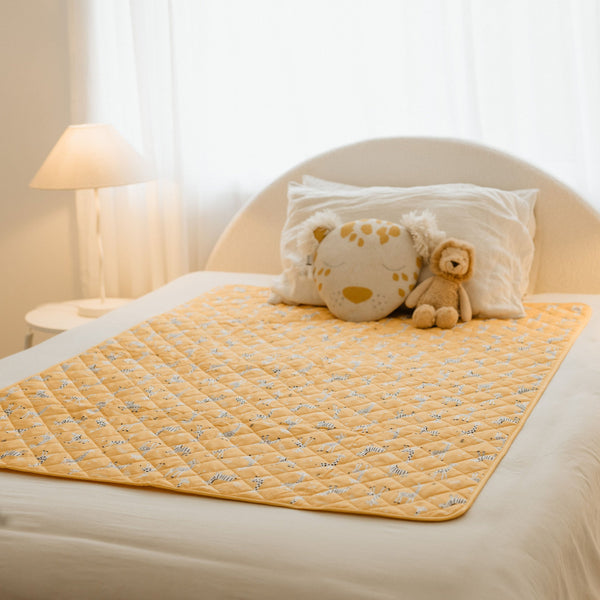
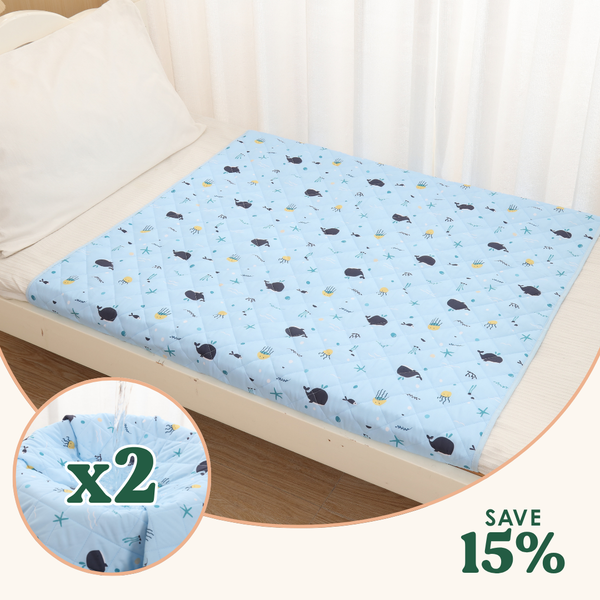
- Leakproof bed guards for night-time protection
- A child-friendly toilet seat reducer or potty
- A step stool so your child can reach the toilet
Helpful extras:
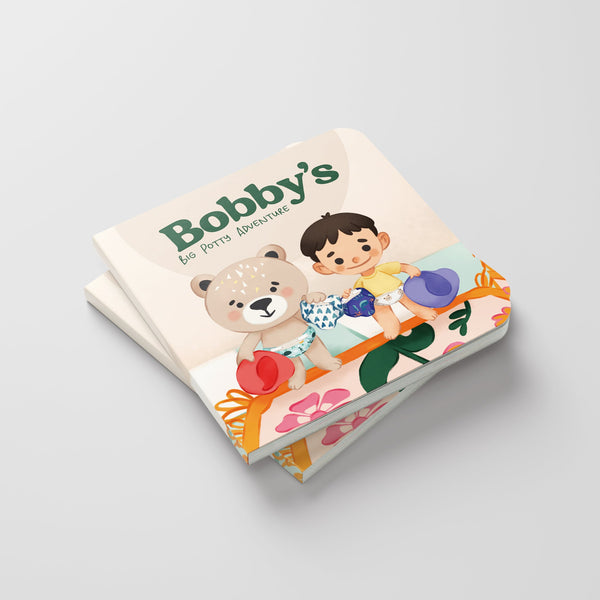
- A toilet training book like Bobby's Big Potty Adventure to build excitement
- Waterproof fitted sheets for full mattress protection
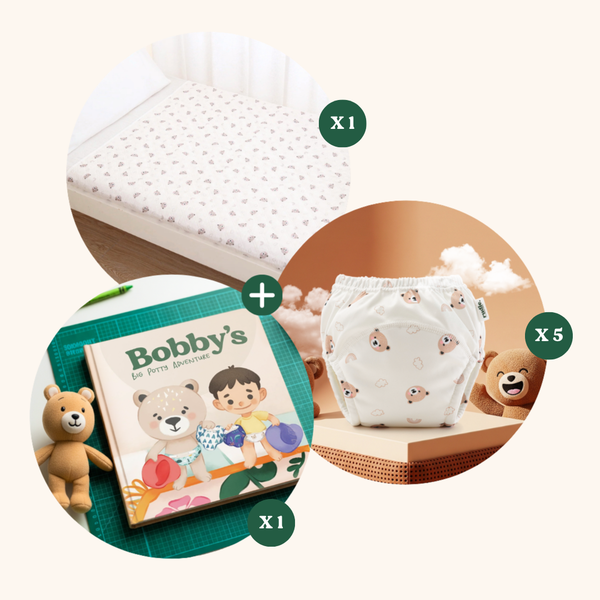
- A complete bundle like Bobby's Complete Toilet Training Bundle for everything in one
For a complete preparation checklist, read our article on preparing for your child's potty training.
Preparing Your Child Mentally
- Start talking about the toilet positively weeks before you begin
- Let your child watch family members use the toilet
- Read toilet training books together
- Let your child pick out their own training pants (this builds excitement)
- Talk about how big kids use the toilet
Choosing the Right Time
Timing matters. Choose a period when:
- You have a few days at home to focus on it
- There are no major life changes happening (new sibling, moving house, starting childcare)
- Your child is healthy and not going through a difficult developmental phase
- You're feeling patient and positive
Many Australian families find school holidays or long weekends work well for the initial intensive training period.
Step-by-Step: How to Toilet Train
Step 1: Introduce the Toilet
Before you start, make the toilet a familiar and non-threatening place. Let your child sit on the toilet or potty fully clothed just to get comfortable. Read books about the toilet. Talk about it casually.
The goal is for the toilet to feel normal, not scary.
Step 2: Switch to Training Pants
On your first training day, make a big deal of switching from nappies to training pants. Let your child choose their favourite pattern. Frame it as an exciting milestone.
Reusable training pants are significantly more effective than disposable pull-ups because they let children feel wetness immediately. This sensory feedback is crucial for learning.
For a detailed comparison, read our article on disposable vs reusable training pants.
Step 3: Establish a Toilet Routine
Take your child to the toilet regularly throughout the day:
- First thing in the morning
- Before and after meals
- Before and after naps
- Before leaving the house
- Before bed
- Every 1.5-2 hours during active training
Don't wait for your child to ask. Prompt them regularly, especially in the early days.
Step 4: Teach the Process
Walk your child through each step:
- Recognise the feeling of needing to go
- Walk to the bathroom
- Pull pants down
- Sit on the toilet
- Go
- Wipe (front to back for girls)
- Pull pants up
- Flush
- Wash hands
Repeat this process consistently every time. Children learn through repetition.
Step 5: Handle Accidents Calmly
Accidents are a normal and expected part of toilet training. How you respond matters enormously.
When accidents happen:
- Stay calm and matter-of-fact
- Say something like "Oops, that's okay. Next time we'll try to get to the toilet"
- Change quickly without fuss
- Never punish, shame, or express frustration
Children who feel ashamed about accidents often take longer to train and can develop anxiety around toileting.
Step 6: Celebrate Successes
Positive reinforcement works. When your child uses the toilet successfully:
- Offer genuine praise and enthusiasm
- Use a simple sticker chart if your child responds well to visual rewards
- Keep celebrations proportionate (avoid over-rewarding, which can create pressure)
Step 7: Build Independence
As training progresses, gradually step back and let your child take more ownership:
- Encourage them to tell you when they need to go rather than always prompting
- Let them manage the process themselves with minimal help
- Praise independent toilet use enthusiastically
The 3-Stage Toilet Training System
Not all children follow the same path through toilet training. Many benefit from a gradual progression through stages:
Stage 1: Toilet Training Diapers
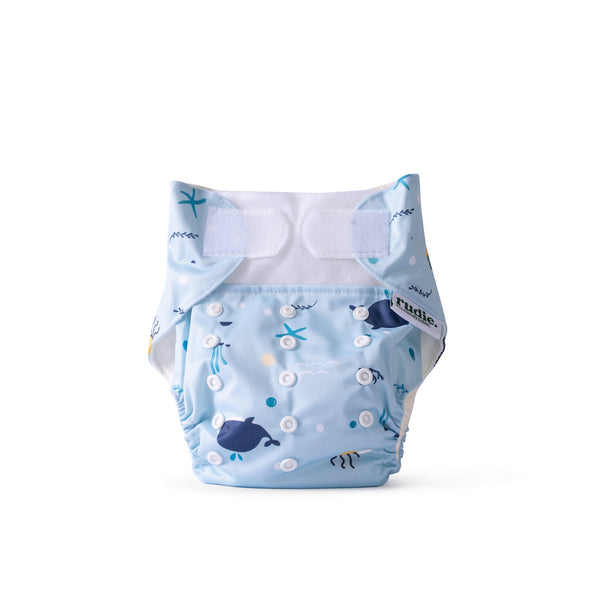
Toilet training diapers are ideal for children showing early readiness signs but not yet ready for training pants. They bridge the gap between regular nappies and training pants with adjustable tabs and a feel-wet design.
Stage 2: Training Pants
Reusable training pants are the core of active toilet training. The feel-wet design helps children recognise accidents and learn faster than disposable alternatives.
Stage 3: Toilet Training Underwear
Toilet training underwear is the final bridge before regular underwear. Designed for children who are nearly trained but still have the occasional accident, they look and feel like real underwear with a light absorbency layer for confidence.
For the complete breakdown of each stage, read our guide on the 3-stage toilet training system.
Protecting Your Child's Bed During Toilet Training
Daytime training often happens before night-time dryness. Protecting your child's bed is essential throughout the entire training period.
The Best Bed Protection Strategy
Use a layered approach:
- Bottom layer: Waterproof fitted sheet on the mattress
- Middle layer: Regular fitted sheet
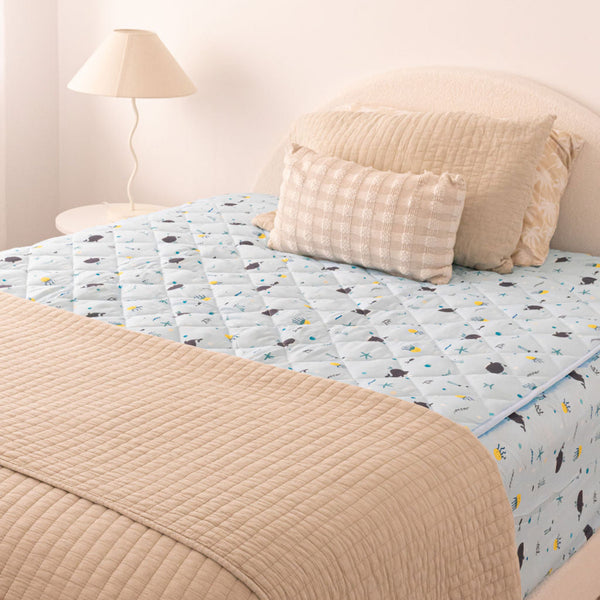
- Top layer: Leakproof bed guard where your child sleeps
This setup means you can remove just the bed guard during a night-time accident and get everyone back to sleep in under 2 minutes. No full bed changes at 2am.
Many parents keep a spare bed guard on hand so one is always clean and ready.
For detailed bed protection strategies, read our guide on how to protect your child's bed during toilet training.
Night-Time Toilet Training
This is one of the most misunderstood aspects of toilet training. Night-time dryness is a separate developmental milestone from daytime training.
During the day, children learn to recognise the urge to go and act on it. At night, their body needs to develop the physical ability to either hold urine for 10-12 hours or wake up when the bladder is full. This is controlled by hormones and physical development, not willpower or training.
What this means practically:
- Most children achieve daytime dryness months or years before night-time dryness
- Night-time dryness typically happens between ages 3-5
- 15-20% of 5-year-olds still wet the bed occasionally
- This is completely normal and not a cause for concern
Signs your child is ready for night-time training:
- Consistently dry nappies or pull-ups in the morning for at least 2 weeks
- Waking up dry from daytime naps
- Waking up on their own to use the toilet
For a complete guide to night-time training, read our article on night-time toilet training.
Common Toilet Training Challenges
My Child Refuses to Use the Toilet
Refusal is common and usually stems from fear, control, or not being ready. Try:
- Backing off completely for 1-2 weeks and trying again
- Making the toilet less threatening (fun seat, favourite book nearby)
- Letting your child have more control over the process
- Checking whether they're actually developmentally ready
My Child Was Trained But Has Regressed
Regression is normal and usually triggered by big life changes (new sibling, moving house, starting childcare, illness). It's temporary.
What to do:
- Stay calm and don't make it a big deal
- Go back to basics (more frequent prompting, training pants)
- Look for the underlying cause and address it if possible
- Give extra reassurance and connection
My Child is Trained During the Day But Not at Night
This is completely normal. Daytime and night-time dryness are separate milestones. Continue using bed protection and wait for natural night-time readiness. Don't force it.
My Child Has Accidents at Childcare But Not at Home
Different environments can trigger accidents. Talk to your childcare carers about your routine at home. Consistency between home and childcare helps enormously. Send spare training pants and a waterproof bag for soiled clothes.
Toilet Training is Taking Forever
If training is taking longer than expected, consider:
- Whether your child was truly ready when you started
- Whether there's been too much pressure (which causes resistance)
- Whether there are any underlying physical issues (constipation, urinary tract infections)
- Whether a break and fresh start might help
Toilet Training on a Budget
Toilet training doesn't have to be expensive. The biggest money-saving strategy is choosing reusable products over disposables.
A typical 6-month toilet training period using disposable pull-ups can cost $450-$1,152 in pull-ups alone. Reusable training pants represent a one-time investment that pays for itself within weeks.
For detailed cost comparisons and budget tips, read our guide on toilet training on a budget.
Toilet Training Boys vs Girls
There are some differences worth knowing about:
Boys
- Often train slightly later than girls on average
- Many experts recommend starting with sitting down for both wees and poos
- Transition to standing for wees once they're confident sitting
- May need more time and patience overall
Girls
- Often show readiness signs slightly earlier than boys
- Always teach front-to-back wiping to prevent infections
- Generally follow a similar process to boys
Remember: these are averages. Individual variation matters far more than gender.
When to See a Doctor
Toilet training is rarely a medical issue, but consult your GP or maternal child health nurse if:
- Your child is over 4 and showing no interest or progress with daytime training
- Your child is over 7 and still wetting the bed most nights
- Toilet training is causing significant anxiety or distress
- You suspect physical issues (pain when going, constipation, excessive thirst)
- Your child was trained and has regressed for more than a few weeks without an obvious cause
Your Complete Toilet Training Shopping List
Here's everything you need for successful toilet training:
Must-haves:
- 10-pack of reusable training pants
- Leakproof bed guards (2-3 for rotation)
- Toilet seat reducer or potty
- Step stool
Highly recommended:
- Waterproof fitted sheet
- Bobby's Big Potty Adventure book
- Toilet training underwear for the final stage
All-in-one option:
Bobby's Complete Toilet Training Bundle includes training pants, bed protection, and a storybook. Everything you need to start with confidence.
The Bottom Line
Toilet training is a journey, not a race. Every child develops at their own pace, and that's completely normal.
The keys to successful toilet training:
- Wait for genuine readiness signs before starting
- Prepare with the right supplies
- Stay consistent with your routine
- Stay calm and positive about accidents
- Never pressure, punish, or shame your child
- Understand that night-time dryness is a separate milestone
- Protect the bed throughout the process
- Trust your child's development
Australian families have been navigating this milestone for generations. With the right approach, the right products, and a healthy dose of patience, your child will get there.
Ready to start? Explore our complete range of reusable training pants, leakproof bed guards, toilet training underwear, and everything else you need for a successful toilet training journey.